2026 Winter Newsletter

In This Issue:
- The Power of Philanthropy
- Progress in Research: Highlights from CTAD 2025
- Clinical Trials
- Upcoming Events
The Mary S. Easton Center for Alzheimer’s Research and Care at UCLA has very active teams working on basic research, drug discovery, biomarkers for early diagnosis and clinical activity, including clinical trials, cognitive testing, and patient care.
The Power of Philanthropy
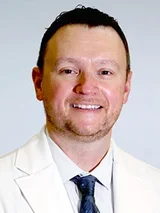
By: Jason Hinman, MD, PhD, Center Director, Mary S. Easton Center for Alzheimer’s Research and Care at UCLA, Department of Neurology
This fall, our community gathered for two signature events that exemplify the power of philanthropy to accelerate discovery in Alzheimer’s disease (AD) and related dementias (ADRD). The 2025 Waxman Family Drive Symposium and the 2025 Turken Day Symposium each highlight a distinct—but deeply complementary—approach to advancing the field: empowering bold early-career investigators to take risks and recognizing emerging leaders poised to redefine the therapeutic landscape.
The Waxman Family Drive Symposium: Catalyzing Bold Ideas in Alzheimer's Research
Now in its third year, the Waxman Family Drive Symposium has become a cornerstone of our strategy to support early-career researchers willing to pursue high-risk, high-reward ideas in AD and neurodegeneration. Established through the generosity of the Waxman Family, this fund is intentionally designed to provide young investigators with the flexibility to test innovative hypotheses that may be too preliminary for traditional funding mechanisms but hold transformative potential.
This year’s symposium, held at the UCLA Alumni Center, brought together faculty, trainees, donors, and scientific leaders to celebrate progress and identify the next wave of promising projects. We first heard from last year’s awardees—Dr. William Flavin and Dr. Fanny Etienne—who shared compelling updates on their work. Dr. Flavin’s research, supported by his 2024 Waxman Family Drive Award, focuses on identifying age-related molecular changes that potentiate the build-up of tau. His long-term goal is to apply this basic molecular understanding of how tau accumulates in the brain to identify novel therapies for chronic traumatic encephalopathy. Dr. Etienne’s project, supported by her 2024 award, sought to identify a role for microglial lysosome clearance mechanisms of brain amyloid. Their projects both represent unique approaches to our basic understanding of what causes dementia. These progress reports underscored a key objective of the Waxman Family Drive initiative: to create a launchpad for innovative science that can rapidly mature into competitive federal grants, industry partnerships, and translational programs.
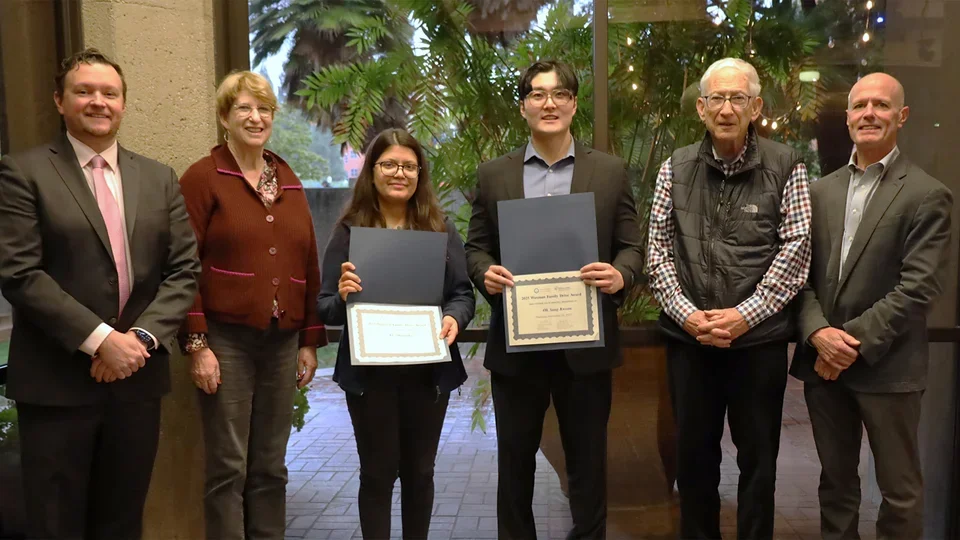
The second half of the symposium featured presentations from nine new applicants, each proposing ambitious and creative projects aimed at addressing unresolved questions in AD and related neurodegenerative disorders. Topics ranged from basic biology of tau and protein aggregation and clearance mechanisms to next-generation therapeutic approaches targeting tau and cortical connectivity. The breadth and sophistication of the proposals reflect the strength of our early-career investigator community and the scientific ecosystem fostered by this program. Two new awardees were selected by the Waxman Family Drive Symposium committee, including a post-doctoral fellow, Dr. Oh Sang Kweon, for his proposal “Development of Potent and Brain Permeable MARK4-PROTACs for AD and VCID” based on his work in the UCLA Drug Discovery Lab headed by Dr. Varghese John. The other 2025 Waxman Family Drive Awardee was Dr. Shraddha KC for her proposal entitled “Mapping Tau Sequence Space to Understand Aggregation and Pathogenicity in Alzheimer’s Disease,” based on her work in Dr. Avi Samelson’s lab. These projects were selected for their rigorous scientific approaches and were also favored by the committee because of the direct pathway to drug development based on the results.
The Waxman Family Drive Symposium is more than a grant review forum; it is a visible testament to what mission-aligned philanthropy can accomplish. By investing in investigators at pivotal inflection points in their careers, the program is reshaping the pipeline of discovery and accelerating progress toward meaningful therapies for patients and families affected by AD. The symposium’s sponsors, Dr. Leslie Waxman and Mr. Mark Waxman, believe deeply in this mission.
"When we established the Waxman Family Drive Award, we hoped it would encourage bold thinking and give promising young investigators the confidence and support to pursue innovative ideas in Alzheimer's research. It has been deeply gratifying to see the award help launch careers, advance novel scientific approaches, and even contribute to translational milestones. Watching these early-career researchers gain momentum reinforces our belief that investing in emerging talent is one of the most powerful ways to accelerate progress against Alzheimer's and related dementias."
~ The Waxman Family
The Turken Day Symposium: A 35-Year Commitment to Innovation
Complementing this focus on early-stage risk-taking, the Turken Day Symposium celebrates sustained excellence and emerging leadership in Alzheimer’s research at UCLA. Now in its 35th year, this partnership between Alzheimer’s LA, the Sam and Ida Turken Family Foundation, and UCLA represents one of the longest-standing philanthropic collaborations dedicated to AD/ADRD research and has historically produced a strong legacy of leaders in the field.
Held this fall at the Gordon Neuroscience Research Building auditorium, the symposium honored a junior faculty investigator whose work demonstrates exceptional promise for future innovation and impact. The Turken Award recognizes not only scientific accomplishment but also the potential to shape the field through originality, rigor, and translational vision.
We began by hearing from last year’s awardee, Dr. Chao Peng, who presented progress on his extensive work on the mechanisms of tau aggregation and transmission that are broadly applicable to AD and ADRD conditions. Over the past year, this work has advanced significantly, yielding new insights into tau aggregation dynamics, and positioning the program for expanded funding and broader collaboration.
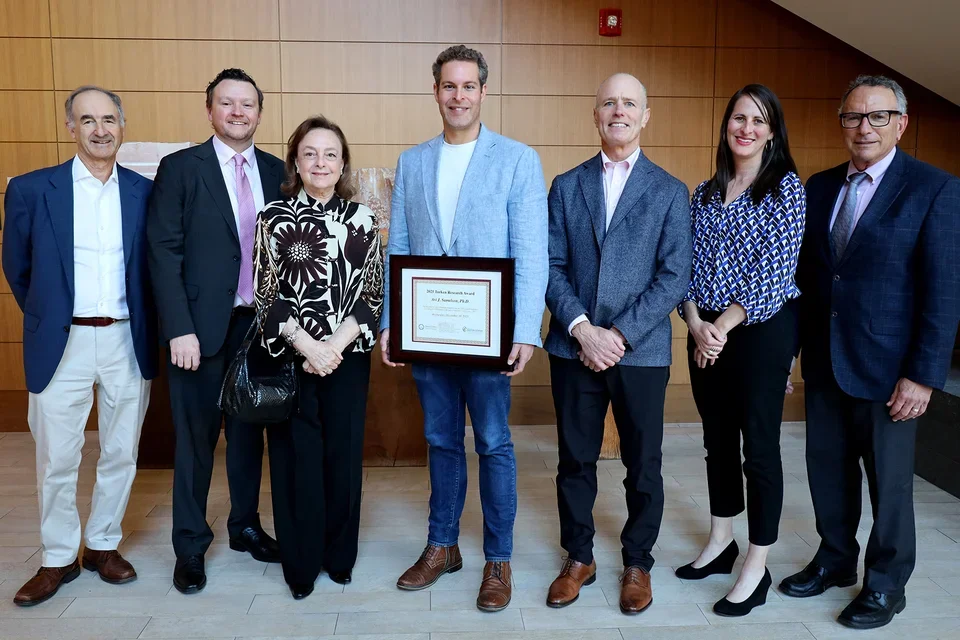
The 2025 Turken Award was then presented to Dr. Avi Samelson. Dr. Samelson joined UCLA last year after his highly successful post-doctoral fellowship at UCSF. His research centers on using modern neuroscience techniques to identify novel molecular pathways that drive the metabolism of tau. As tau pathology remains a central driver of neurodegeneration across multiple conditions—including Alzheimer’s disease and certain frontotemporal dementias—this focus is both timely and strategically important.
Dr. Samelson presented to a broad audience of students, post-doctoral fellows, Easton Center MDs and researchers, and representatives from Alzheimer’s LA. He spoke about his lab’s recent work using a novel molecular screening approach to identify regulators of tau degradation, including the proteasomal protein Clu5. This novel discovery identifies Clu5 as a potential therapeutic target for tau-mediated neurodegenerative syndromes.
The scientific program highlighted how advances in tau biology are reshaping our understanding of disease progression and therapeutic opportunity. Discussions emphasized the convergence of molecular neuroscience, structural biology, biomarker development, and translational therapeutics in tackling tau-mediated pathology. Importantly, the symposium showcased how philanthropy-driven awards can identify and amplify talent at a moment when targeted support can accelerate a trajectory toward national and international leadership.
Philanthropy as a Strategic Driver of Progress
Together, the Waxman Family Drive Symposium and the Turken Day Symposium reflect a coherent philanthropic strategy: support bold early ideas, recognize rising leaders, and foster a collaborative scientific community dedicated to solving one of the most urgent biomedical challenges of our time.
Both events underscored the tangible impact of donor investment—not only in discrete projects, but in people. By empowering investigators at critical career stages and aligning resources with strategic scientific priorities, these programs are advancing innovative therapeutics and deepening our understanding of AD/ADRD biology. This remains the core mission of the UCLA Mary S. Easton Center for Alzheimer’s Research and Care.
We are profoundly grateful to the Waxman Family, the leadership of Alzheimer’s LA, and the Sam and Ida Turken Family Foundation for their sustained commitment and partnership. Their vision continues to catalyze discovery, inspire excellence, and move us closer to effective treatments for the millions of individuals and families affected by Alzheimer’s disease and related dementias.
To contribute or learn more about supporting the Easton Center, please contact Jessica Vrazilek, Director of Development at (310) 869-8611 or jvrazilek@mednet.ucla.edu.
Progress in Research: Highlights from CTAD 2025
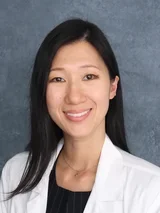
By: Marie Kim, MD, PhD, Assistant Clinical Professor of Neurology and Associate Director of the Katherine and Benjamin Kagan Alzheimer’s Disease Treatment
Anti-Amyloid Therapy Updates
During the 2025 Clinical Trials on Alzheimer’s Disease (CTAD 2025) conference, anti-amyloid therapies continued to command a strong presence. Lecanemab (Leqembi) and donanemab (Kisunla) are the two anti-amyloid agents currently available in clinical practice, with real-world use tracked through the CMS registry and the Alzheimer’s Association’s ALZ-NET platform.
Real-World Data. In ALZ-NET, patients on therapy mirror those in the pivotal trials: nearly all are in the early symptomatic stages, with 98.5% classified as having MCI or mild dementia and 93–95% scoring within the target MoCA/MMSE ranges. The database also shows strong adherence to appropriate testing, with amyloid biomarker confirmation documented in 82% of patients and ApoE genotyping recorded in 92%.
Emerging Candidates. Trontinemab is Roche’s next-generation monoclonal antibody that targets aggregated amyloid but is coupled to a proprietary “shuttle” designed to improve delivery into the central nervous system. In the Brainshuttle AD Phase Ib/IIa study, a 3.6 mg/kg monthly dose cleared amyloid in 91% of participants over six months, with an ARIA rate below 5%. Roche also outlined its pivotal Phase 3 TRONTIER-1 and TRONTIER-2 trials, which are now underway to test whether trontinemab can meaningfully slow clinical progression of Alzheimer’s disease.
Future Directions. As anti-amyloid therapies become routine in memory clinics worldwide, combination approaches represent the future standard. Opportunities in pairing anti-amyloid agents with other targeted therapies, including additional amyloid-directed drugs or tau-focused treatments, were discussed. Broader strategies aimed at neurodegeneration and neuroinflammatory pathways were also proposed to enhance the therapeutic impact of anti-amyloid therapy, along with combinations that address common Alzheimer’s co-pathologies—such as alpha-synuclein in dementia with Lewy bodies, TDP-43 in LATE, and vascular contributions in VCID—to better serve patients with mixed dementias.
Targeting Modifiable Risk: Lifestyle and Pharmacologic Interventions
US POINTER previously demonstrated that a structured, coach-supported multidomain lifestyle program addressing diet, exercise, vascular risk, and cognitive/social engagement improved cognition in at-risk older adults. The BetterBrains trial in Australia used a fully remote, digitally delivered coaching program targeting similar lifestyle factors and showed 7% less cognitive decline in the intervention group compared to controls over twenty-four months. Look AHEAD, a two-arm trial comparing intensive lifestyle intervention (ILI) over diabetes support and education (DSE) over a 10-year span, did not lower overall MCI or dementia incidence but suggested reductions in long-term cognitive impairment risk in participants with BMI 25–29. Taken together, these programs support that a multi-component lifestyle change can modestly improve or preserve cognition in at-risk or select groups of adults.
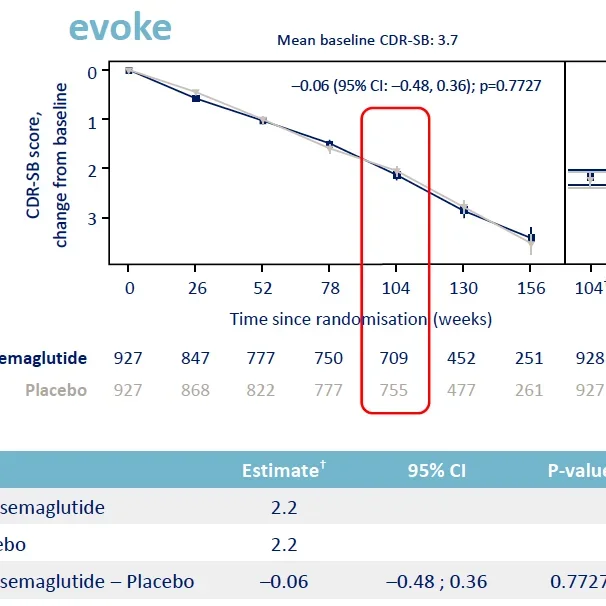
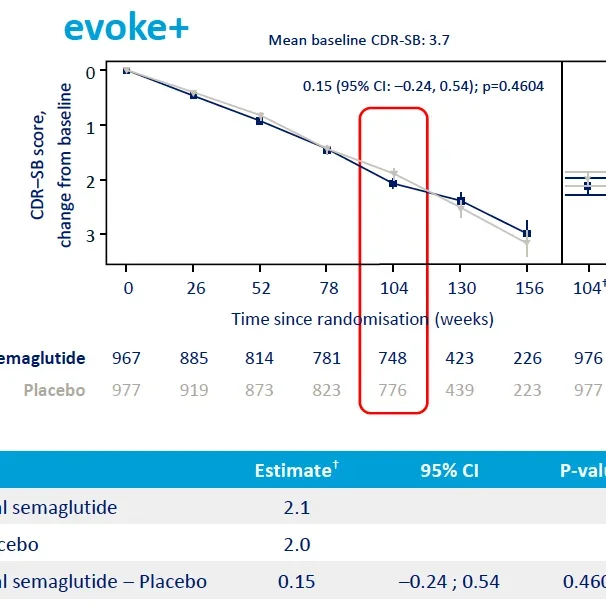
Novo Nordisk’s phase 3 EVOKE and EVOKE+ trials investigated oral semaglutide, a GLP-1 receptor agonist commonly prescribed for type 2 diabetes and obesity, in early symptomatic Alzheimer’s disease. Both studies failed to show a statistically significant slowing of clinical disease progression versus placebo over two years, as measured by change in Clinical Dementia Rating scale and secondary cognitive and functional endpoints. Despite the negative outcome of this trial, drug repurposing continues to be an attractive avenue to expand the pipeline of treatments available to persons living with dementia, and every study brings important insights for future trials.
Biomarkers and Alzheimer’s Disease Research
In the past several years, plasma %p-tau217 has entered the clinical setting to stratify patients that may have amyloid pathology and be at risk for cognitive decline due to Alzheimer’s disease. Plasma microtubule binding region (MTBR)-tau243 was demonstrated to correlate with tau-PET measures of aggregate tau burden and cognitive decline. This biomarker is already being utilized to demonstrate proof of mechanism for new tau-targeting agents such as Etalanetug, currently under investigation in multiple clinical trials. As the field shifts toward earlier interventions focused on tracking disease biology, %p-tau217 combined with MTBR-tau243 offers a promising approach to biologically stage individuals within the Alzheimer’s continuum.
Clinical Research Opportunities
If you are interested in advancing Alzheimer’s disease research, we invite you to consider participating in a study through the ADRC Potential Participant Pool. Below is a list of currently recruiting trials. For a complete list of enrolling studies, please visit our Clinical Studies page.
OBSERVATIONAL STUDIES:
- ARTFL-LEFFTDS Longitudinal Frontotemporal Lobar Degeneration (ALLFTD) Study
- Alzheimer's Association Study of Latino Brain Health and Cognition Study
- BrightFocus Neuroimaging in Aging Study
- Dementia Research Focus Group
- Family History and Genetics Risk Factors for Dementia Focus Group
- Resilience/Resistance Against Alzheimer's Disease in Centenarians and Offspring (RADCO) Study
INTERVENTIONAL STUDIES:
- Brain Recovery and Individualized Neuromodulation (BRAIN Trial)
- Modulating Memory with Low-Intensity Focused Ultrasound (LIFUP-MCIAD) Study
- Microbiota Mediated Flavonoid Metabolites for Cognitive Health (MAEVE) Study
- Transcranial Magnetic Stimulation (TMS) for Memory Impairment in Older Adults (MCI iTBS) Study
- Novartis Study
- Protocol for Maintaining and Improving Mental Status in Alzheimer’s Disease (PROMIS-AD) Study
Upcoming Events
For more information on our upcoming lectures and events, please visit the Easton Center Community Calendar.
Alzheimer’s Los Angeles Visionary Women’s Tea
Date: Wednesday, March 11, 2026
Time: 3:30 PM – 5:30 PM (PDT)
Location: The London West Hollywood - 1020 N. San Vicente Boulevard, West Hollywood, CA 90069
Join us for this special afternoon to honor three extraordinary individuals, share stories of resilience, and make a difference in the lives of those affected by Alzheimer's. The Easton Center is proud to be a sponsor and supporter of this event.
Purchase a ticket for this event.
Brain Health Symposium
Date: Friday, March 13, 2026
Time: 10:00 AM – 2:00 PM (PDT)
Location: Silverado Senior Living Rolling Hills - 2455 Pacific Coast Highway, Torrance, CA 90505
The Easton Center, in partnership with Silverado Senior Living and the South Bay Dementia Education Consortium, presents a half day brain health symposium. Experts from Silverado, Beach Cities Health District, and UCLA’s Easton Center will discuss:
- Normal memory changes with age
- Recent discussion of research on brain health
- Diagnosis of cognitive impairment
- Clinical studies focusing on brain health and dementia
Lunch will be served.
RSVP is required to Monica Moore at mrmoore@mednet.ucla.edu
Clinical Trials – How You Can Be a Part of the Next Great Scientific Discovery!
In partnership with Keiro
Date: Thursday, March 19, 2026
Time: 2:00 PM – 3:00 PM (PDT)
Location: Virtual Platform
You may be holding the key to the next great discovery. This presentation will discuss what clinical trials are and why participation in trials is important. The first person to be cured of Alzheimer’s disease will be someone in a clinical trial. Will it be you or someone you love?
For more information, please contact: programs@keiro.org
Memory and Aging: What You Need to Know
In partnership with Westside Playa Village
Date: Thursday, March 26, 2026
Time: 1:00 PM – 2:00 PM (PDT)
Location: Culver City Senior Center - 4095 Overland Avenue, Culver City, CA 90232
Learn about the way the brain changes with age, what is normal, what is not, and what you can do about it. The latest research on brain health will be discussed, along with practical tips to stay focused and mentally sharp.
No RSVP is required.
Senior Health Fair
Date: Friday, April 10, 2026
Time: 11:00 AM – 2:00 PM (PDT)
Location: Westchester Senior Center - 8740 Lincoln Boulevard, Los Angeles, CA 90045
The Institute of Neuro Innovation at UCLA presents a Senior Health Fair at the Westchester Senior Center. Monica Moore from the UCLA Easton Center will give a presentation on “Living a Brain-Healthy Lifestyle” from 1:00 PM to 2:00 PM.
No RSVP is required.
Update on Alzheimer’s Treatment and Clinical Trials
In partnership with Kensington Senior Living
Date: Tuesday, April 14, 2026
Time: 3:00 PM – 4:30 PM (PDT)
Location: Virtual Platform
Dr. Marie Kim, UCLA- Easton Center, will join the Kensington Caregiver Panel in a discussion about the current treatments for Alzheimer’s disease and other dementias, as well as discuss the latest and most promising research!
RSVP is required to Monica Moore at mrmoore@mednet.ucla.edu
Keiro Caregiver Conference
Date: Sunday, April 19, 2026
Time: 11:30 AM – 4:00 PM (PDT)
Location: Venice Japanese Community Center - 12448 Braddock Drive, Los Angeles, CA 90066
This event will connect caregivers with resources to strengthen their support network.
Faith and Health Luncheon
In partnership with Alzheimer’s Los Angeles and West Angeles Church of God in Christ
Date: Thursday, May 14, 2026
Time: 11:00 AM – 2:00 PM (PDT)
Location: West Angeles Church of God in Christ - 3600 Crenshaw Boulevard, Los Angeles, CA 90016
Our annual collaborative luncheon brings together African American churches to raise awareness of Alzheimer’s disease and other dementias. All are welcome!
RSVP is required to Petra Niles at pniles@alzla.org
Newsletter Editorial Team:
Mary S. Easton Center Director: Jason Hinman, MD, PhD
California Alzheimer’s Disease Center (CADC) Director: Timothy Chang, MD, PhD
Co-Directors of Training and Education Activities: Monica Moore, MSG, Mirella Díaz-Santos, PhD, and Jennifer Adrissi, MD, MS
Newsletter Editor: Nancy Osuch
| Subscribe | Unsubscribe from this List | Update Subscription Preferences |
Copyright © 2026 Mary S. Easton Center for Alzheimer's Research and Care at UCLA. All rights reserved.